

#Solostories: “Single Girls”
#SoloStories is our feature in which we explore books, films and TV shows that show single women navigating their lives – but romance is not the main component.
“Enjoy every delicious second of your single life! Remember: single girls are wondrous and magical. They hold the entire world in their precious hands. Don’t let anyone convince you otherwise,” Helen Gurley Brown writes to one of her readers of her 1963 book “Sex and the Single Girl.”
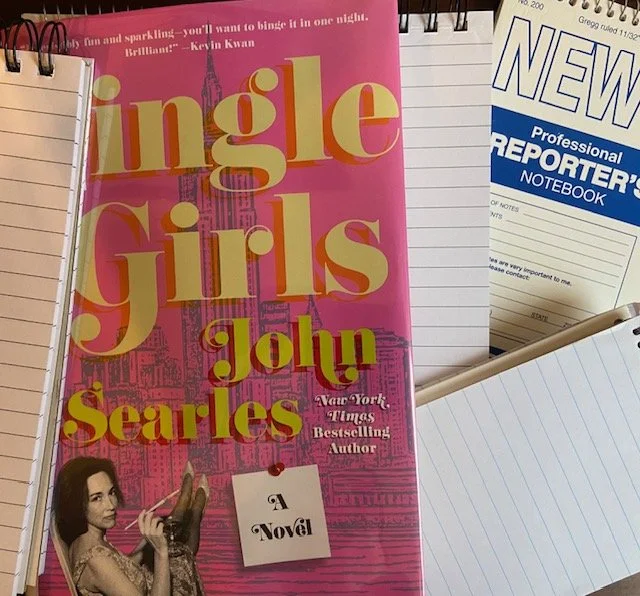
The novel “Single Girls” by John Searles takes readers back in time to the 1960s. The main character is Brown, who married at age 37 but lived a life on her own terms – working as an advertising copywriter, dating numerous men, dealing with a family that survived trauma. She won fame with “Sex and the Single Girl,”which became an instant bestseller and was turned into a 1964 movie starring Natalie Wood.
The letters from her readers inspired Brown to persuade a magazine publisher to revamp Cosmopolitan magazine as a handbook for single women. Its writers offered advice that covered love, sex, careers and health, all delivered with cheeky headlines like “How to Make a Small Bosom Amount to Something.”
The book focuses on a group of women who run the magazine, including one based on Liz Smith, the gossip columnist, and four fictional characters. Their relationships with others are riveting, as they explore the depths of their love.
“My point is not about finding any man,” Brown tells publisher Dick Deems. “It’s about finding the right man at the right time for her. And I can’t say this enough: If a man is what she wants. If she doesn’t? So be it. She can live just as happy and fulfilling a life being single without a drop of shame.”
The novel is a fun, fast read that captures a different time in life. It is the 1960s, and most of the characters seem focused on romance. But Brown’s determination comes from living life as a single woman, when she knew she had to count on herself to make things happen. She never forgot what that life was like.
“Helen sometimes felt nostalgic for the wonder of those single years. Maybe that was why she was always seeking those women out, spotting them on the sidewalk and buses, studying what they were wearing, eavesdropping on the topics that consumed them.”