

#Solostories: “Furious violet”
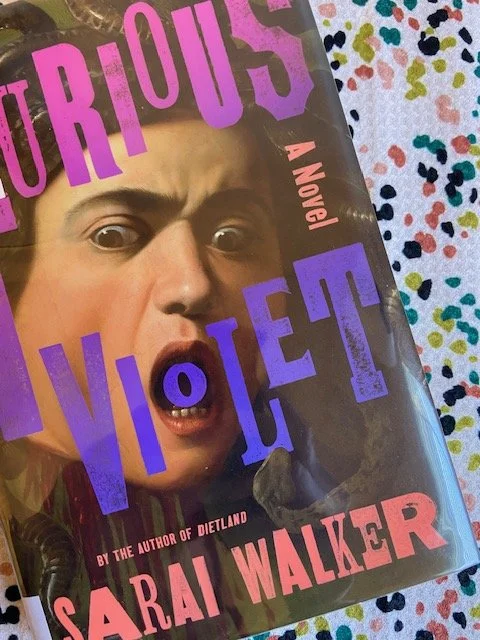
#SoloStories is our feature in which we explore books, films and TV shows that show single women navigating their lives.
“Furious Violet” by Sarai Walker goes to dark places.
Violet West Shelley, almost 50 years old, is a true crime writer who is researching a book about a serial killer when she begins to receive strange messages. Could they be from the serial killer? Or could they come from the Furies, the ardent followers of her mother, a poet named Juliet Bellwood who died by suicide when West was just a baby?
As West makes a stop in Copper Mallow, Colorado, the place she grew up, the stalking intensifies. The uncle who raised her is supportive, but traveling; a few friends help her out, although West impulsively relies on herself. West always had to be smart. She must learn to survive - and think quickly and decisively - as the identity of her tormentor unravels.
The compelling thriller offers plenty of twists that will keep you reading. But there’s some big issues in this book that deepen the plot.
West must reckon with her mother’s work as she comes to terms with her own life. She’s never been married or had children – which is where the brilliance of this novel lies. One of the novel’s main themes is what it means to be unmothered and how to mother yourself. If you’re not a mother, you’re looked down upon. If you don’t have a family, you must handle the tough stuff by yourself.
West notes social media is often bombarded with comments with what it means to be a mother (“I never knew what love was until now,” “Having a child transformed me into the best version of myself” or “The future is important to me in a way it wasn’t before”).
“I explained how they made me feel stigmatized and created distance between me and women with kids. I was often told ‘you wouldn’t understand’ because I wasn’t a mom. You wouldn’t understand what it’s like to love unconditionally, you wouldn’t understand why school shootings are so heartbreaking, you wouldn’t understand why stopping climate change is so important, and so on. It was assumed that since I didn’t have a child, not only was I missing out on some key part of the human experience, but I was missing the essence of humanity itself.”
That theme takes a funny turn at one point, and the novel will make you laugh several times. When she chats with a friend about “childless cat ladies,” Violet says, “Do you know why they’re fixated on cats as a metaphor? It’s because cats can’t be controlled.” Her friend replies: “Just like us!”
Throughout the story, West is always on the road and always in the driver’s seat. She values her freedom and power, and she wants to be in control.
“A slayer can be heroic,” she tells her therapist. “You know, like the dragon slayer who rescues the princess. Except I didn’t rescue a princess, I rescued myself.”