

#SoloStories: “Eleanor Oliphant is Completely Fine”
#SoloStories is our feature in which we explore books, films and TV shows that show single women navigating their lives – but romance is not the main component.
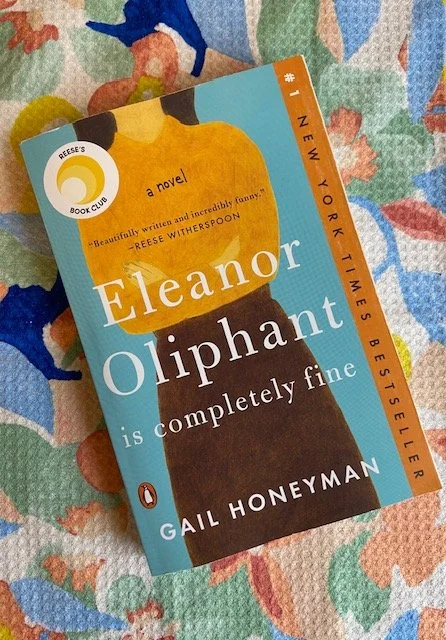
When “Eleanor Oliphant is Completely Fine” by Gail Honeyman was released in 2017, it became an instant classic. It depicted a woman who was coping in a world that had been unkind to her, but the book was so witty and easy to read that it didn’t feel like a survival story. The book is one of the best depictions of being single – both the loneliness and its freedom.
Its heroine is Eleanor Oliphant, 30, a finance administration assistant who lives by herself in Glasgow. She drinks too much vodka. She has prominent scars on her face, indicating she’s been through some trauma, although Eleanor doesn’t tell us too much. She was raised by a single mother and she doesn’t know who her father is.
“It often feels as if I’m not here, that I’m a figment of my own imagination. There are days when I feel so lightly connected to the earth that the threads that tether me to the planet are gossamer thin, spun sugar. A strong gust of wind could dislodge me completely, and I’d lift off and blow away, like one of these seeds in a dandelion clock.”
She’s fine living on her own. (“Some people, weak people, fear solitude. What they fail to understand is that there’s something very liberating about it; once you realize that you don’t anyone, you can take care of yourself.”) She lacks self-awareness and conjures judgmental thoughts about people that make her a younger version of Larry David.
Eleanor’s humdrum life takes a turn who she acquires a crush on a local musician. Eleanor decides to change up her looks and go out more. At the same time, she and her coworker Raymond help out an elderly man after he suffers a medical event incident on the street. She begins spending time with the man’s family and Raymond.
But she realizes the crush is unrealistic and goes on a drinking binge and has a nervous breakdown. She starts seeing the counselor to discuss her childhood trauma.
This book sounds heavy, but it’s not. Honeyman is a brilliant writer who can capture innermost thoughts beautifully (“There are scars on my heart, just as thick, as disfiguring as those on my face. I know they’re there. I hope some undamaged tissue remains, a patch through which love can come in and flow out. I hope.”) and sarcastically (on paying for a wedding shower gift: “They choose things like plates, bowls and cutlery – I mean, what are they doing at the moment: shoveling food from packets into their mouths with their bare hands? I simply fail to see how the act of legally formalizing a human relationship necessities friends, family and coworkers upgrading the contents of their kitchen for them.”) We couldn’t list all of our favorite quotes because there’s too many. You have to read the book with a pen to mark the best ones.
In the end, Eleanor realizes she isn’t responsible for her childhood trauma. She also has a friendly kiss with Raymond, although their relationship isn’t clearly defined just yet. We’re glad it didn’t take the romantic comedy route.
The book is about how Eleanor displays the courage to live and love her life. “In the end, what matters is this: I survived.”